- This event has passed.
26th January : 11:30 am – 1:00 pm
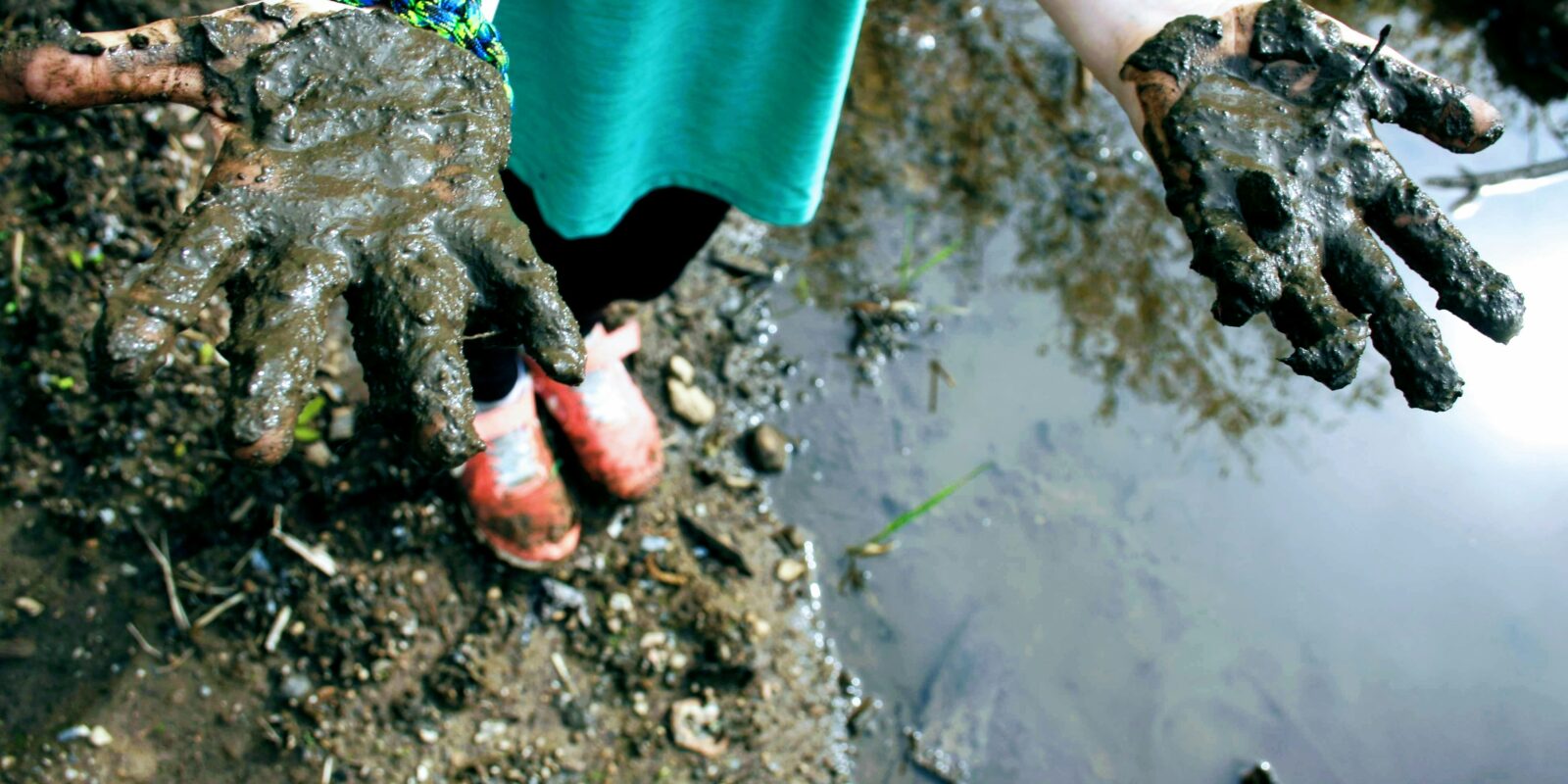
From muddy knees to makeshift dens, everyday playful encounters with nature are far more than a ‘nice to have’ in childhood. Evidence shows that contact with plants, trees, soil and water supports children’s physical health, cognitive development, mental wellbeing and social connectedness, and can help close health gaps between more and less advantaged children.
This webinar will explore what we mean by “natural play” and explore the evidence on why it matters for children, especially those growing up in increasingly dense, risk-averse and urban environments.
We’ll look at how green and “wild” spaces nurture creativity, resilience and build connection to nature and how spaces and places for natural play can be created and managed. We’ll also reflect on some of the cultural and systemic barriers that developers, planners, landscape architects and play practitioners face, from fears over safety and maintenance regimes, to approaches to mess, liability and supervision.
The webinar is an invitation to join us in thinking about how to make sure plants, puddles and possibility are part of every child’s everyday life.
Agenda and speakers (TBC)
| 11:30 | Welcome and introduction | Julia Thrift – Director Healthier place-making, TCPA |
| 11:45 | Children and nature – a vital relationship | Dr William Bird – Intelligent Health |
| 12:00 | Playful, sustainable and inclusive landscapes and gardens – making it happen | Andree Davies and Adam White – Davies White Landscape Architects |
| 12:20 | Natural, playful spaces – learning from Better Place Bradford | Adele Adams – Project Manager, Better Place – Better Start Bradford |
| 12:40 | Q&A | All |
Supported by: