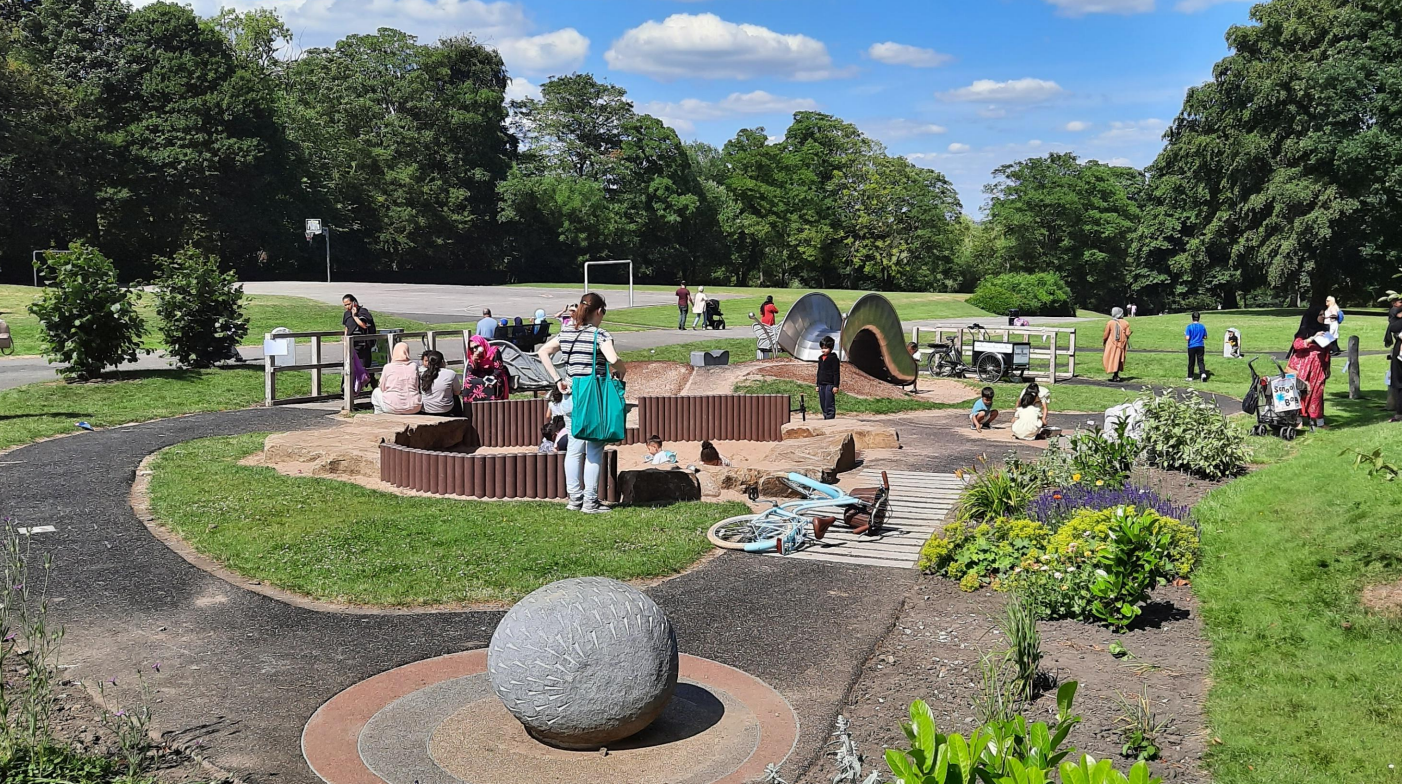
Image credit: Better Start Bradford
Better Start Bradford is one of five A Better Start partnerships across England, part of the ten-year (2015-2025) £215 million A Better Start programme set-up by The National Lottery Community Fund supporting families with little ones. Better Place is one of the Better Start Bradford projects that has collaborated with local communities in Bradford to improve outdoor spaces for families with young children (0-3 years old) and expectant parents.
Overview
Better Place has been inspired by a simple but powerful question:
How can we give our little ones a better start if their environment doesn’t allow for that?
Bradford faces deep-rooted challenges such as high population density, poor air quality and limited access to safe outdoor spaces. The project addresses these issues by investing in improvements to the public realm to create accessible and secure green spaces that are approachable to the city’s youngest residents and their families.
Over the past decade, the Better Start Bradford’s Better Place initiative has led transformative improvements to parks and outdoor spaces across Bradford, creating healthier, more engaging environments for children aged 0-3 and their families.
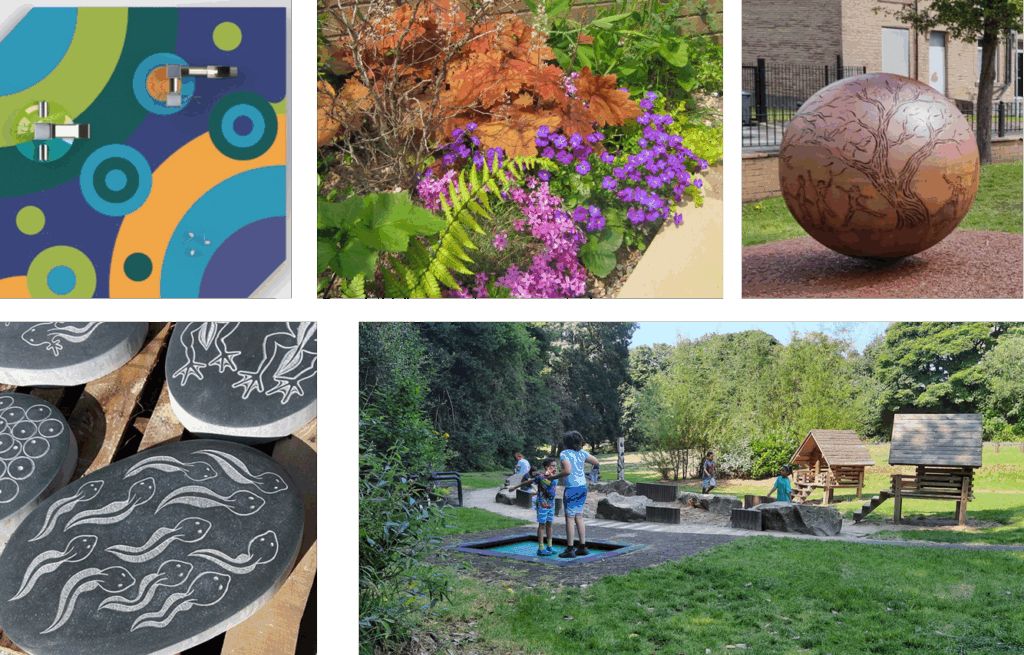
Targeted investments and using a co-design approach with local communities have led to delivery of the key priorities of the programme:
- reducing exposure to air pollution,
- expanding access to green and blue spaces, and
- encouraging families to spend more time outdoors.
In short, Better Place shows how place-based investment that is paired with community engagement can improve early childhood development and strengthen community wellbeing.
Building trust through co-design
Bradford Council, the fifth largest local authority in England, faces significant socio-economic challenges, ranking 21st out of 317 in deprivation. In terms of children engaging with the outdoors, the city’s residents have identified major concerns – uneven distribution of playgrounds, lack of green spaces and harmful emissions affecting young children and expectant parents.
In response, Better Place adopted a co-design approach, involving families, communities and project partners in every stage of the process to identify and oversee improvements to local parks and outdoor spaces. This ensured interventions were inclusive and locally relevant by taking a four-pronged approach to co-design:
- learning about the community from the community,
- fostering trust,
- using creative methods to co-design refurbishment of spaces; and
- working with communities to ensure sustainability.
These methods were adapted to suit the scale and nature of each project. For smaller projects, outreach included door-knocking, on-site events, and social media updates. Larger projects formed steering groups of community organisations to lead wider consultations.
‘Building trust was key to encouraging community ownership. Through creative collaboration and ongoing engagement, the project empowered communities to shape and sustain outdoor spaces that reflect their values and priorities.’ – Adele Adams, Better Place Project Manager
How children and young people informed the design
To ensure that young children and their families were at the heart of the design process, Better Place prioritised identifying the key barriers preventing these groups from accessing their local outdoor spaces. These included concerns about safety, limited green areas in densely populated neighbourhoods, and a lack of facilities suitable for very young children.
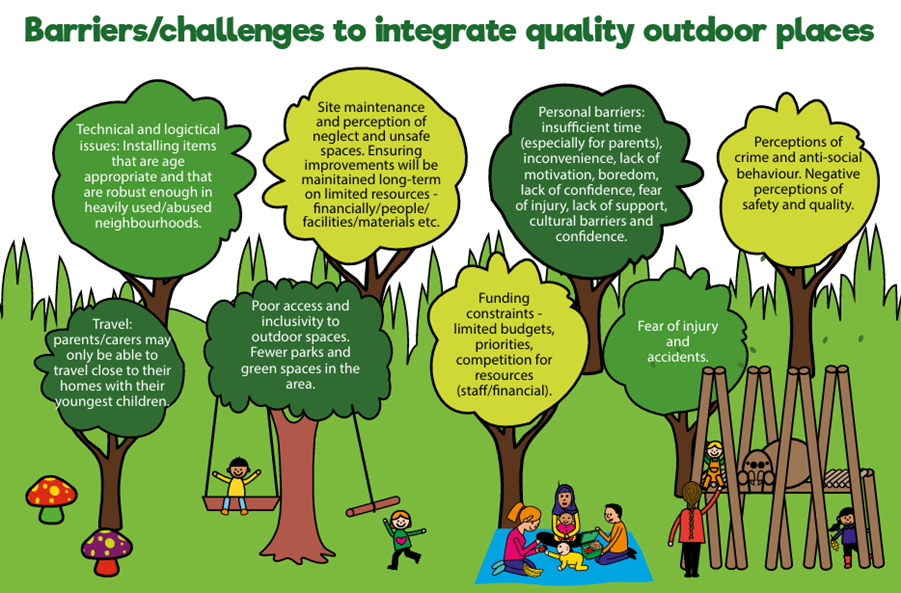
By engaging directly with families through co-design workshops, community events and creative consultation methods, the project tailored outdoor improvements to overcome barriers and meet local needs with the aim to make spaces more welcoming, accessible, and supportive for children aged 0–3.
The project also focused on building long-term community connections by creating outdoor spaces that feel familiar and inviting. Through activities such as co-designing playful areas, families became active stewards of their local environment.
Establishing and maintaining these relationships took time, especially with the challenges presented by the COVID-19 pandemic. To help families spend more time outdoors beyond organised community sessions, the project developed practical resources, such as activity flashcards, story-based scavenger hunts, and guides for creating sensory gardens at home, to make outdoor play easier and more engaging.
Children and young people’s experience
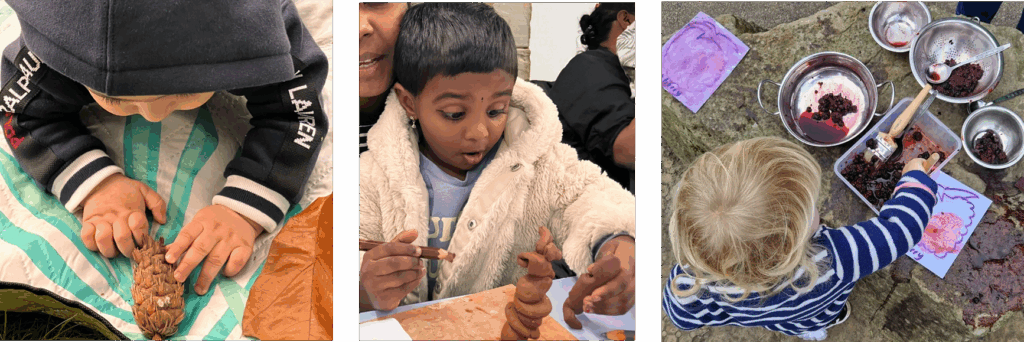
Along with the capital investments to improve parks and natural play areas for children under four, Better Place Bradford ran family activities within communities to encourage the use of these new spaces. Many parents have noted the difference the sessions have made for their little ones and how these can be a springboard for regular engagement with the outdoors.
“I never really thought about the benefits of being outdoors until just now, I can definitely say my mood is uplifted, my kids have a great time, and I make an effort to get outdoors a lot more than I used to.” – Salma, Community Board member and mum of four
Ensuring that families engage with the outdoors in the colder months has also been a priority for Better Place Bradford. With the right clothing and shoes, outdoor play does not have to be limited by the weather, encouraging families to benefit from green and blue spaces year-round.
“Knowing that there is an organised activity with friendly faces gives me the motivation to take the children outside in colder months.” – feedback from Charlotte, mum of two
The video below highlights the impact the project has had on young families.
Outcomes
Over the past decade (2015–2025), the Better Place initiative has led transformative improvements to parks and outdoor spaces across Bradford, creating healthier, more engaging environments for young children and their families.
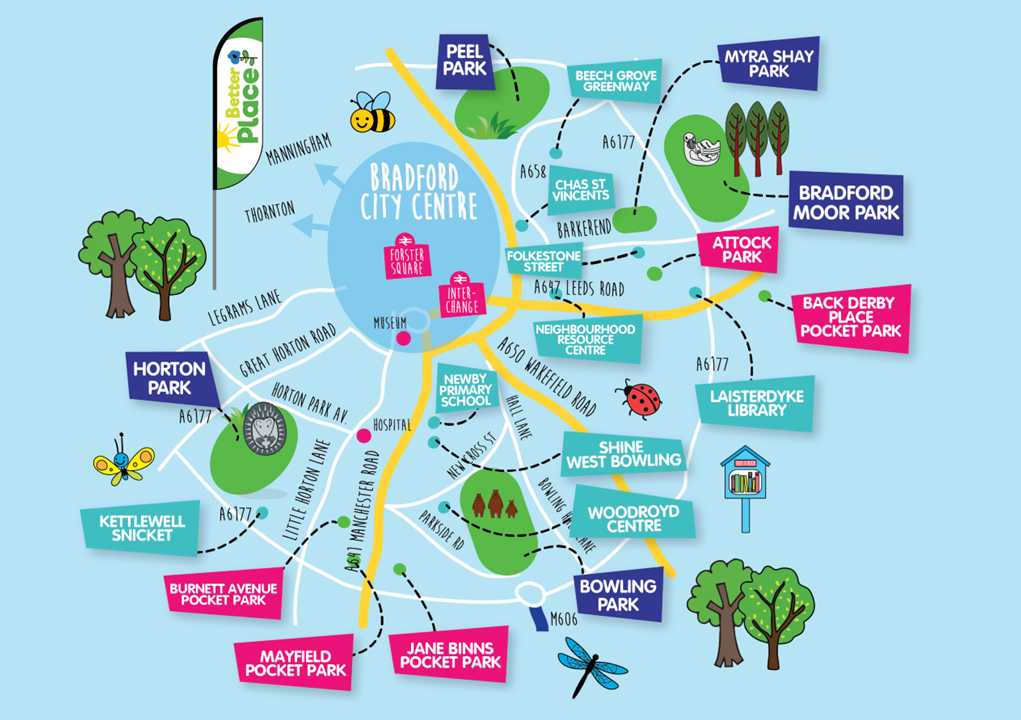
The project has achieved many measurable outcomes including:
- 50 parks and green spaces improved with toddler-friendly equipment, pollution screening and tree planting.
- 25 acres transformed for families with children aged 0–3.
- 1,000+ outdoor play sessions that were attended by over 10,000 children.
- Urban Ranger role created for ongoing maintenance.
- 3,298 trees planted and £572,000 additional investment secured.
- 94% of participants rated activities positively.
These results show how early intervention and community collaboration can shift attitudes and funding priorities toward improving early childhood environments.
‘It’s been transformative, what Better Place has done for Bowling Park. The Roughs here, all the sculptures. I love seeing the three bears and still see families taking photos next to them on a regular basis. The playground area too. The trampoline is great, and I saw a little girl playing on that the other day. It’s all been instrumental in changing how this park is used. I only started using it since lockdown and having done so, feel a lot better and calmer for doing so on a regular basis, but that comes from making changes that encourages people to come and use the park. You should be really proud of what you’ve achieved, and it’s really appreciated by myself and the community.’ – Bradford resident
Learning for other places
There are several key lessons to be learned from the Better Place Bradford:
- A co-design process with residents promotes community ownership and ensures that improvements to parks and green spaces are suitable to their needs, whilst also building trust.
- Physical improvements (play equipment, tree planting, safer routes) need to be paired with engagement and activity programmes to understand and address usage barriers (e.g. weather, confidence, knowledge).
- Maintenance and long-term stewardship are critical: embedding roles (like the Urban Ranger) and promoting volunteering opportunities ensure that spaces remain safe, attractive and used.
- Combining healthy-environment goals (green/blue space, air pollution screening, active travel routes) with early-years play and family services helps address multiple outcomes (health, childhood development, resident wellbeing).
For more learning, see Ten Top Tips for Co-designing Community Spaces that Nurture put together by the Better Place Bradford project team.