Jack Boreham explores how blue infrastructure can benefit people and nature
Supporting wellbeing
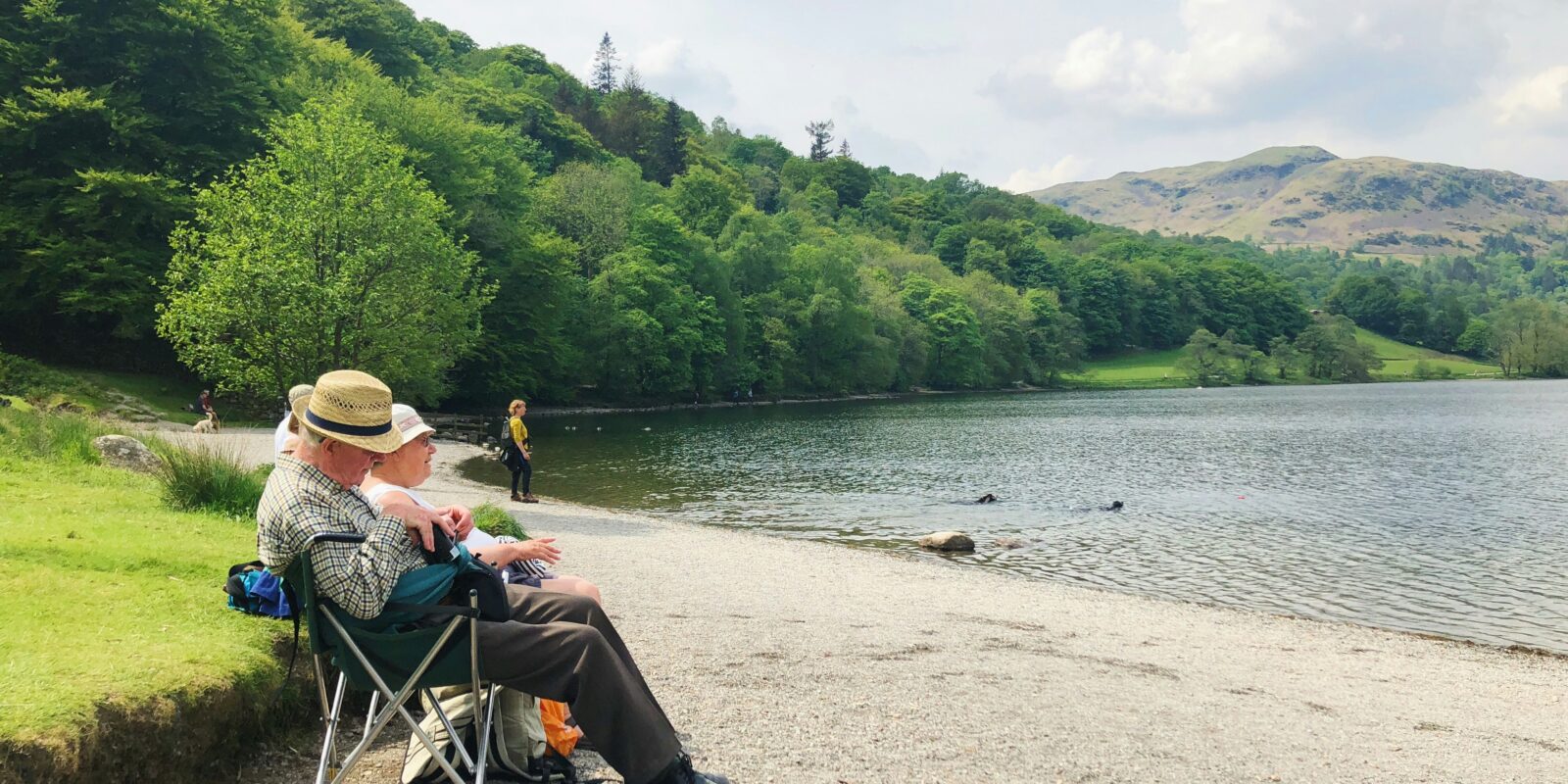
Evidence shows that what are sometimes known as ‘blue spaces’ or ‘blue infrastructure’, such as rivers, lakes and canals, are associated with improved health and wellbeing outcomes, as well as providing multiple other benefits to society.
International studies assessing the impact of blue spaces have found that frequent visits to these spaces are associated with higher wellbeing, and that their proximity to homes confers significant health benefits. This is supported by evidence from a 2023 longitudinal panel study of 2.3 million people that examined the impact of access to blue and green spaces on mental health. The study found that a 10% increase in access to these spaces was associated with a 7% reduction in anxiety and depression risks. This relationship was even more pronounced in areas experiencing higher levels of deprivation.
But what does this mean for placemaking? Simply put, there are significant opportunities for UK place-makers to improve access to existing ‘blue infrastructure’ in proximity to people to promote health and wellbeing, particularly in less-wealthy areas. This opportunity is supported by evidence from the Canal & River Trust (2025), which reports that of the 800 million people who annually visit its 2,000-mile network of waterways, only 9 million live within a 10-15-minute walk to a canal or river.
Improving access to blue spaces supports the government’s commitment that everyone in England should have a green or blue space within a 15-minute walking distance of home, as outlined in the latest 2025 Environmental Improvement Plan (EIP). To help deliver this, Defra is expected to publish an ‘access to nature’ green paper during this parliament.
Environmental and economic value
Blue spaces also deliver range of environmental benefits, including supporting biodiversity by natural habitats for wildlife.
Blue infrastructure can aid in carbon offsetting, otherwise known as sequestration, by capturing, removing, and storing CO2. In this process, CO2 is absorbed from the atmosphere and turned in organic carbon by algae and bacteria during photosynthesis. This organic carbon gets buried and stored in sediment at the bottom of bodies of water. It can also assist in lowering temperatures, particularly in urban areas, through evaporative cooling. While, blue infrastructure in the form of sustainable drainage systems, (SuDS) help to improve drainage and manage flood risk – offering multiple layers of climate resilience for both rural and urban areas.
In turn, the benefits listed above can offer long-term economic value for populations by reducing costs in the form of energy, healthcare, and climate change expenditure, among other factors. Likewise, they deliver measurable economic benefits to communities when well-maintained and pollution is minimised, but can have the opposite effect if not managed properly. For instance, canals or lakes full of litter are an eyesore, not an asset.
Well maintained rivers and other blue infrastructure can support tourism, which, in turn, can support businesses and create more prosperous communities. The World Health Organization (WHO), in a recent study, estimated the value of blue space recreation at €631 billion annually across 14 EU countries, including the UK, equating to €41 per recreational visit.
In short, blue infrastructure offers a range of economic, environmental, and health and wellbeing benefits that place-makers should not ignore. Integrating existing blue spaces within plan making is vital to creating climate-resilient, thriving places that benefit communities and nature over the long term. Decision-makers should prioritise deprived communities and develop cross-sector partnerships in this endeavour.
Supporting green and blue infrastructure
For over a century, the TCPA has been promoting the inclusion of green and blue spaces in urban placemaking for the benefit of society and nature. Through the Green Infrastructure Partnership (GIP), the TCPA supports this mission by managing a network of over 2,000 members that aims to support green infrastructure development in the UK.
Find out more about our work here and learn how you can become a GIP member.