Windowless. Damp. Mouldy. Noisy. Cramped. Inaccessible. Unaffordable. Isolated. Insecure. This is ‘home’ for too many. This is the housing crisis in England.
For eight years, the Campaign for Healthy Homes has been fighting against poor quality, unaffordable and dangerous homes. Working at national and local levels, in partnership with parliamentarians, local authorities, housing associations, charities, and built environment professionals, the Campaign has gained support across sectors and party lines. At its core, is a recognition of the vital role of the home as a cornerstone of good health and wellbeing.
A commitment to healthy homes
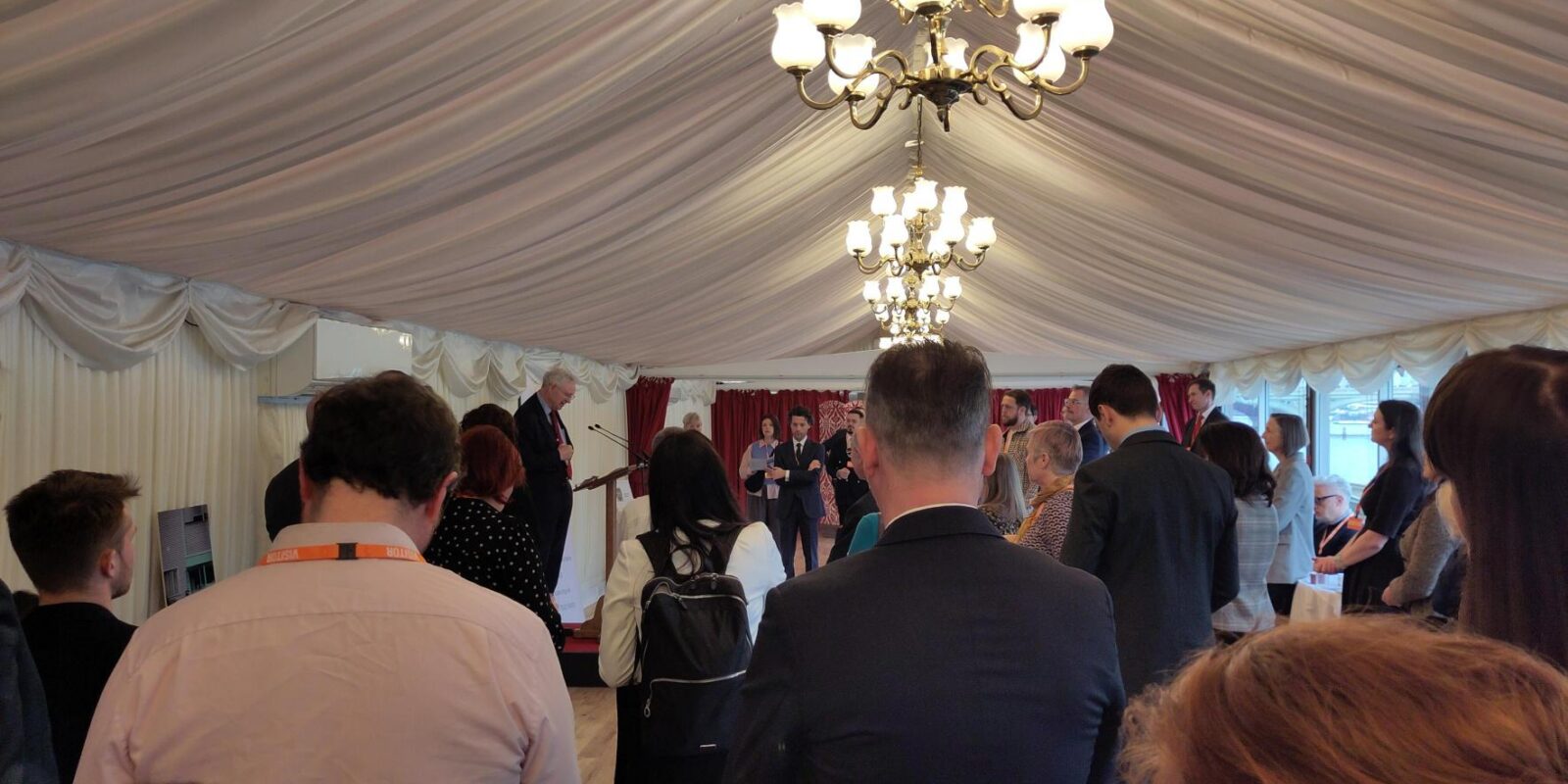
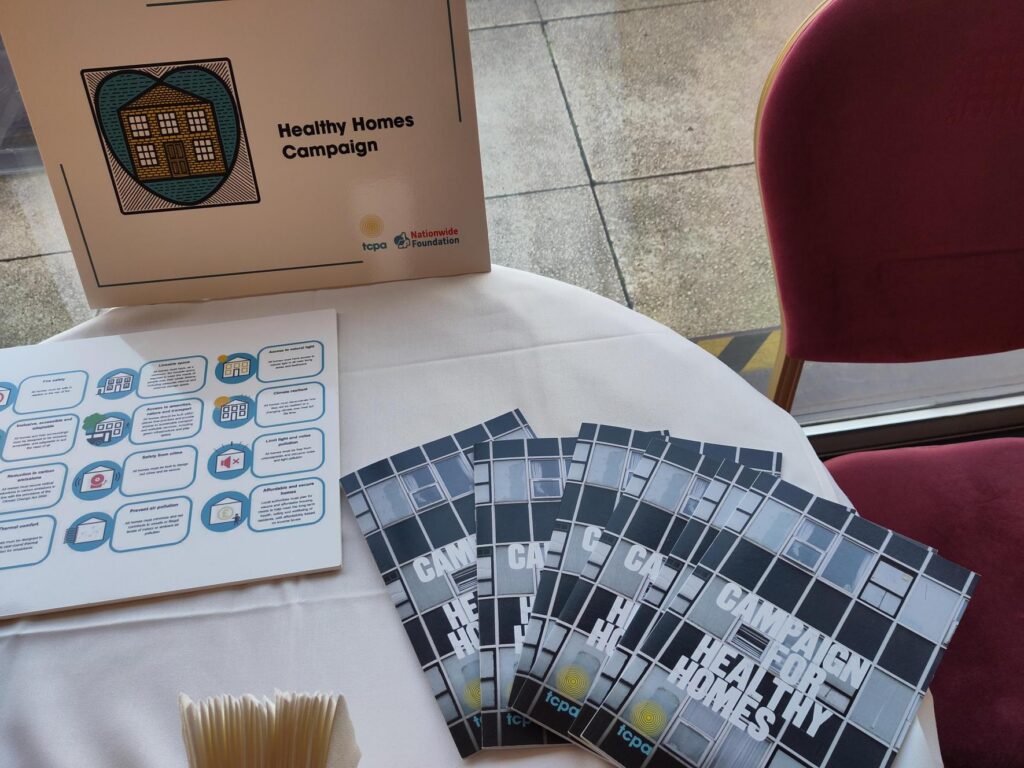
On Monday 9 March, we were joined in the House of Lords by campaign supporters at a special event to launch our new e-book – hosted by our parliamentary champion Lord Nigel Crisp – and to reflect on the successes and take stock of the challenges that remain. It was a powerful reminder of the widespread commitment that exists to fight for better homes and places; also demonstrated by the adoption of our Healthy Homes Pledge by over 150 organisations and individuals.
As Fiona Howie, TCPA’s Chief Executive made clear in her opening speech, the Campaign for Healthy Homes has always been about social justice. People wouldn’t choose to live in homes that jeopardise their health and wellbeing if they had other options.
We must do better – and we can. The Campaign has shown that it is perfectly possible to create healthy homes and neighbourhoods. What is lacking is the political will to drive that through. While the Campaign was unsuccessful in securing clear legislative requirements for Healthy Homes, over 100 peers did vote through the Healthy Homes private members Bill before it hit the buffers in the House of Commons.
Seeds of change
The road to legislative change is never easy. As Kate Markey, Chief exec of Nationwide Foundation reflected in her speech, the Campaign may not have succeeded in all its aims but we should regard this part of the journey as a ‘detour’. We still have a way to go to embed people’s health needs at the heart of all housing delivery, but it’s important to acknowledge the Campaign’s successes too. Kate noted how the Healthy Homes Principles continue to be a powerful tool for shaping national debate, influencing local leadership and inspiring practical action.
This view was echoed by Lord Crisp: ‘The Campaign for Healthy Homes has been sowing the seeds of change and creating plenty of opportunities. Opportunities are what Healthy Homes are all about. While the Campaign has highlighted the damaging effect of unhealthy homes, it has also shown the new possibilities that arise when people are given a good foundation in life.’
Throughout the Campaign, we have highlighted the importance of wider placemaking and thriving neighbourhoods. As Lord Nigel Crisp noted, ‘Healthy homes and neighbourhoods need to be central to government policy, because so much comes from them’.
Permitted Development
A shocking outcome from the government’s eagerness to ‘cut red tape’ in planning is the modern-day ‘slum housing’ that has arisen from Permitted Development (PD) conversions. By side-stepping democratic and discretionary planning scrutiny, PD has created a ‘shadow planning system’ that has produced some of the worst examples of housing.
Professor Ben Clifford (UCL) shared some sobering statistics from upcoming research from UCL and the TCPA, where 75% of people surveyed in PD housing had experienced problems, and 55% reported multiple problems, including extreme overheating, excessive noise and fear for their safety. One resident interviewed gave a heartbreaking description of living in their PD flat: ‘‘it’s not like a prison; it is a prison’.
Many of the people housed in PD conversions are vulnerable individuals or families in temporary accommodation, with children spending their formative years in overheated (former) office blocks or on isolated warehouses. Hugh Ellis, TCPA Director of Policy spoke of the ‘moral bankruptcy of children having no other option but to play in car parks on industrial estates’.
The road ahead
Hugh had a clear message for those who call for further deregulation: ‘Regulation matters for those people with no power in the housing market. It is a fundamental safeguard. I refuse to accept that the answer to the housing crisis is PD conversions. We need moral imagination and creative conversations.’
The energy and passion of all those individuals and organisations present in the room, who have actively supported the Campaign, gives us hope that the clear moral compass and collective commitment towards Healthy Homes will continue.