Nearly 290,000 people are living in housing converted from old office blocks and shops without full planning permission. New research shows that much of this housing is substandard, with serious consequences for residents’ health. Rosalie Callway sets out what the findings tell us.
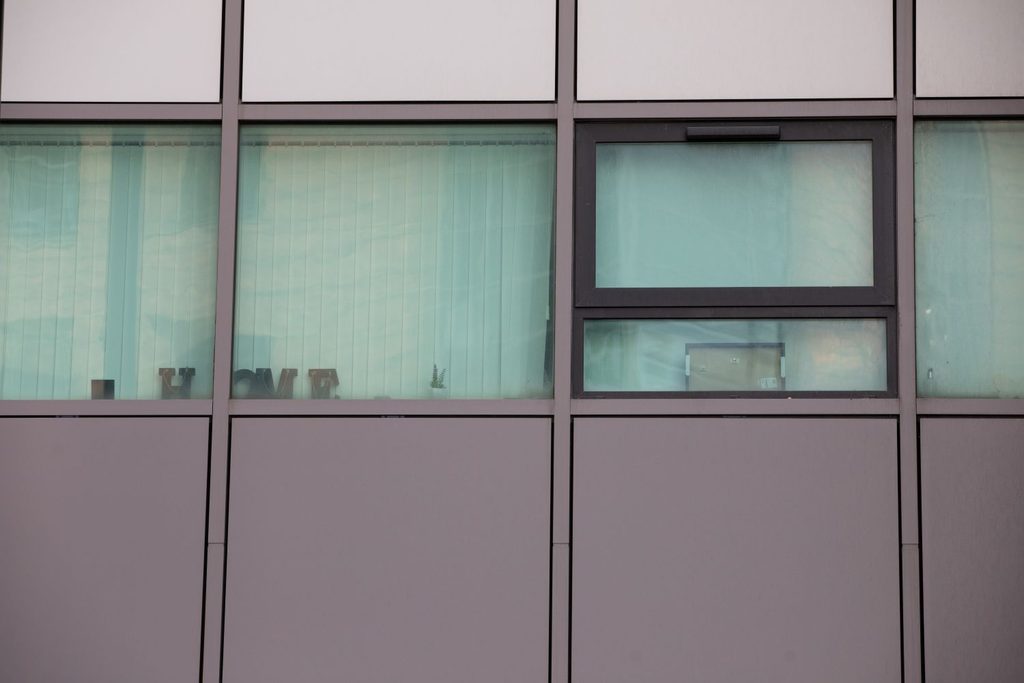
The Town and Country Planning Association was founded over 125 years ago, in response to the unhealthy housing conditions in rapidly industrialising towns and cities around the country. A time prior to a formal planning system, where cramped back-to-back slums damaged the health of millions and cut countless lives short.
Such conditions should be firmly in the past. But new research shows unfortunately this is not the case.
Led by UCL’s Bartlett School of Planning, in collaboration with the TCPA, the London School of Tropical Medicine and Hygiene, and the homeless charity Groundswell, the project marks the most comprehensive analysis yet of homes created through permitted development rights (PDR). These are rules which, since 2013, have been used to convert offices, shops and other commercial buildings into homes, with councils able to check only a narrow set of issues.
Planning processes and building regulations can at times be frustrating, but they are there for a reason – to support the creation of well designed places and homes in suitable locations, and to protect people from unnecessary harm. When these rules are stripped away, we lose many of the checks and balances intended to support the people who end up living in these homes.
This new research shows just how damaging the policy has been. Over a quarter of a million people live in PDR homes. And the vast majority of residents surveyed (three in four people) reported at least one problem with the quality of their home, with serious implications for their health.
Where PDR housing hotspots are
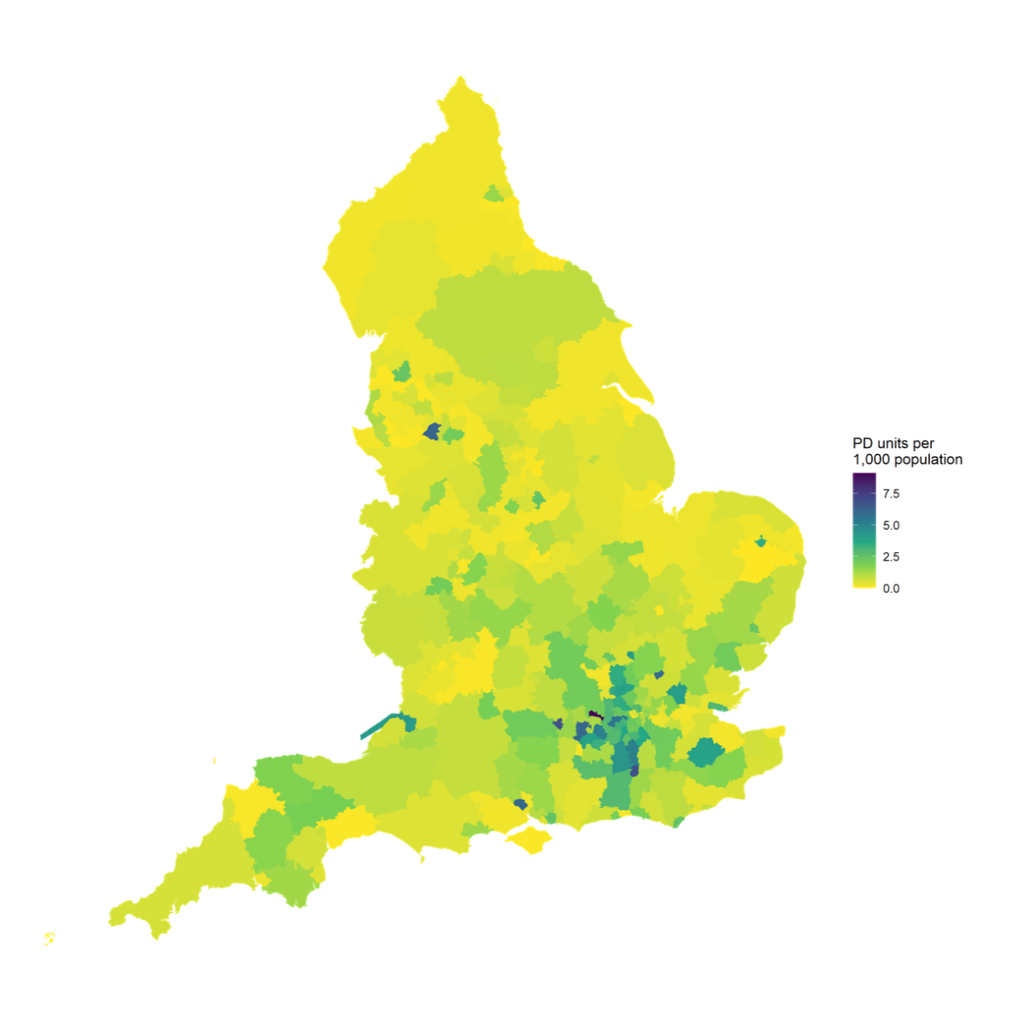
One of the most important outcomes of the research is a clear picture of how many PDR conversions there have been, and where. Until now, that picture simply didn’t exist.
The researchers identified more than 77,000 homes produced through PDR across England – housing an estimated 289,000 people. Most (85%) are former offices, but include converted shops, agricultural and other buildings as well.
London is the clearest hotspot, with nearly a third of the total: more than 23,000 individual flats and houses across the capital. Croydon has more than any other local authority in England, at over 3,000 dwellings. Other hotspots are also found across all of England’s major cities.
Bad neighbours increase health risks
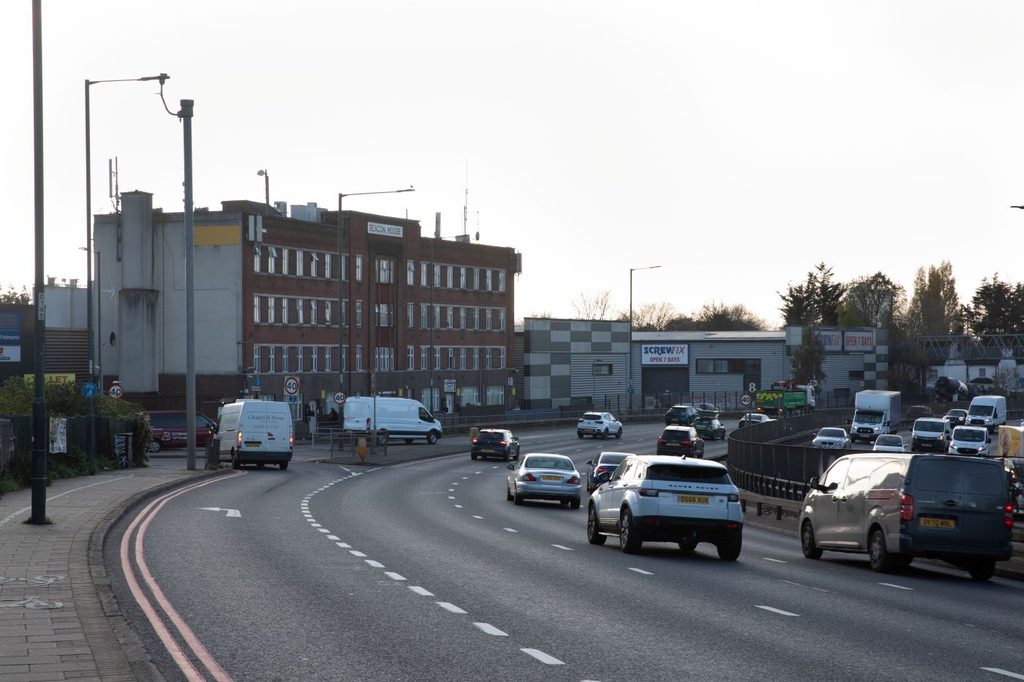
Wherever in the country PDR housing is, the research has found too frequently that they’re in locations simply unsuitable for residential use.
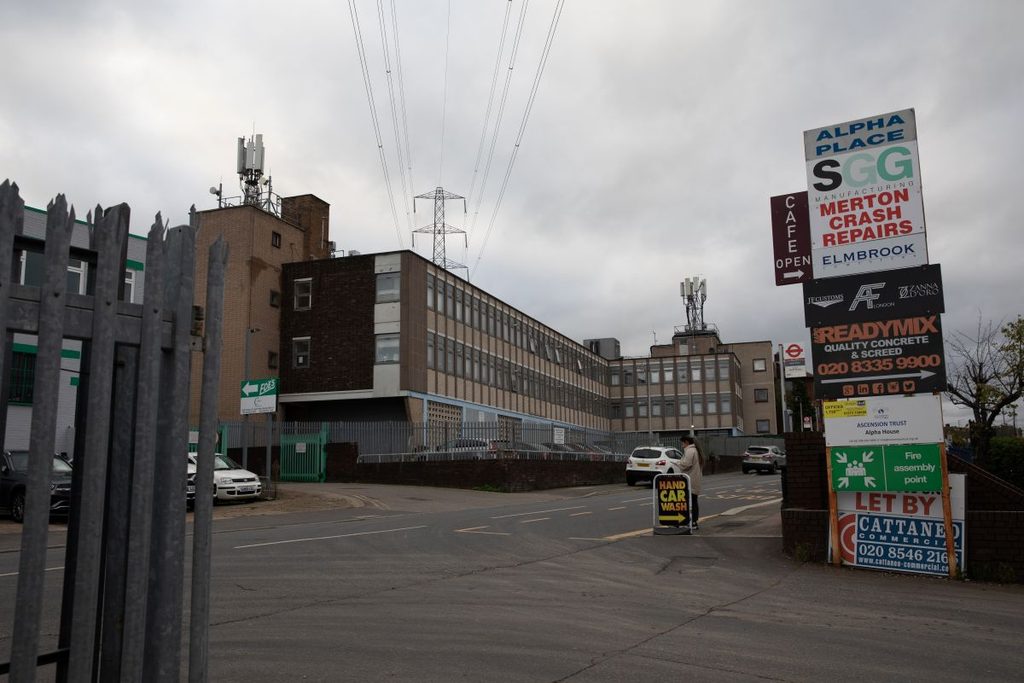
In London, nearly half of homes are within 50 metres of a major road. Across the country, almost two fifths are close to “bad neighbours” – sites like industrial sites, waste facilities and vehicle repair shops.
Across the board, the worst quality homes are in the most deprived areas, and house the people with the fewest choices.
UCL estimates more than 13,000 people in temporary accommodation (TA), for example, are placed in PDR housing.
Quality harmed at every stage
One of the most striking findings from speaking with local authorities is how PDR rules have undermined their ability to ensure quality assurance at every stage of conversion:
- Before an application: councils can apply ‘Article 4 Directions’ to remove permitted development rights in a specific area, but these are resource intensive to put in place and tightly restricted by the National Planning Policy Framework (NPPF).
- At application: the prior approval process only lets councils assess a narrow set of, nationally defined, issues, leaving out much of what makes a home healthy, such as design quality.
- During construction: loopholes around a ‘change of use’ to residential use mean building regulations on aspects like structure, accessibility and overheating don’t fully apply. With already overstretched enforcement teams, PDR just adds to the risk that even minimum building regulations are not being met.
- Once people move in: environmental health and fire safety teams can step in to protect residents from the worst conditions and risks, but by then it’s too late to fix a poor location or a fundamental structural or safety issue.
21st century slums
The research, funded by the National Institute of Health and Care Research (NIHR) marks the most comprehensive analysis of PDR housing, and what it’s like to live in it.
It reveals, in stark terms, that although some PDR housing conversions can be good quality, most are not. More than three-quarters (76.5%) of residents surveyed reported at least one problem with the quality of their home, and over half reported problems in two or more areas, including overheating, noise and air pollution, feeling unsafe and inadequate access to amenities.
“the fire brigade did inform the Council quite a while [ago], they said it is not safe, and they never take it seriously”
Resident in temporary PDR accommodation (UCL report, p111)
Monitoring inside homes found air pollution and CO2 levels above World Health Organization guidelines in 40 of the 42 homes tested. Seventy per cent of units monitored were underheated in winter, often with high humidity, creating conditions for damp and mould. Nearly half of residents surveyed said their homes overheated in summer.
In combination these issues can have devastating impacts on the health and wellbeing of individuals and families. More than one in five of residents surveyed showed signs of clinical depression.
‘One resident described a feeling of being “unwanted … everyone’s trying to get rid of you”. This marginalisation was experienced as contributing towards depression, often leaving residents feeling as though “you’re nobody”.’
Resident in temporary PDR accommodation (UCL report, p106)
Looking at Bradford as a case study, the research team found that once people moved into PDR housing, it increased the frequency of their visits to the GP by 50% compared to before moving.
Focusing specifically on the poor indoor air quality of converted offices – associated with polluted locations, poor layout and ventilation – the researchers estimated that the excess air pollution was linked to 5,644 years of life lost and around £413 million a year in economic losses across England.
Office to housing conversions must be regulated
We recognise that converting old offices and shops into housing can contribute to increasing the supply of urgently needed homes. But such conversions must be allowed to contribute to the place-based policies and design standards set within local plans. Increasing the housing stock mustn’t come at the cost of the health, wellbeing and lives of the people who live in them.
At a national level, it’s clear that the only solution to addressing these problems is to end the use of permitted development rights. This is an opportunity for the government, pretty much overnight, to protect the health and wellbeing of future residents.
But that would still leave us with thousands of sub-standard PDR housing units. So, we also recommended that they fund a review and, where required, retrofit of the PDR housing already produced, so the people still living in them aren’t left behind.
While we wait to hear how the government responds to our recommendations, UCL and TCPA have developed a toolkit to help local authorities make the most of the (albeit limited) levers available to them to try and improve conditions and delivery of PDR converted housing.
We’ll be talking through the toolkit in a webinar on the 30th of November, which you can book onto for free here.